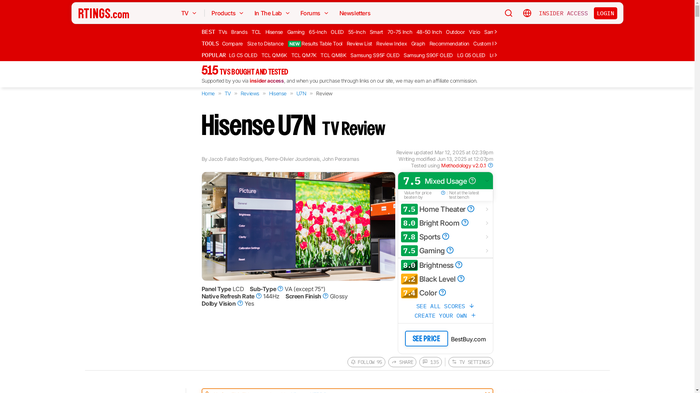
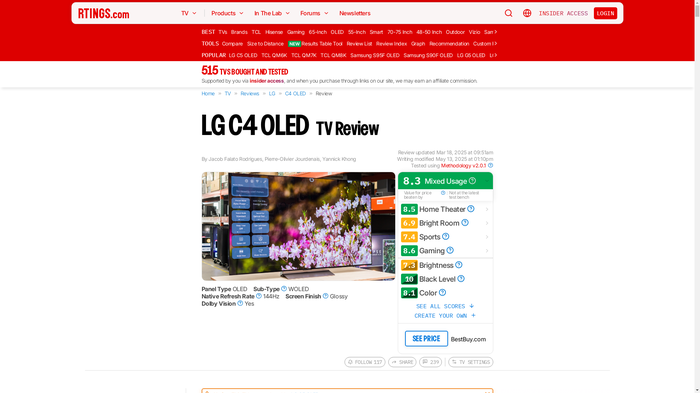
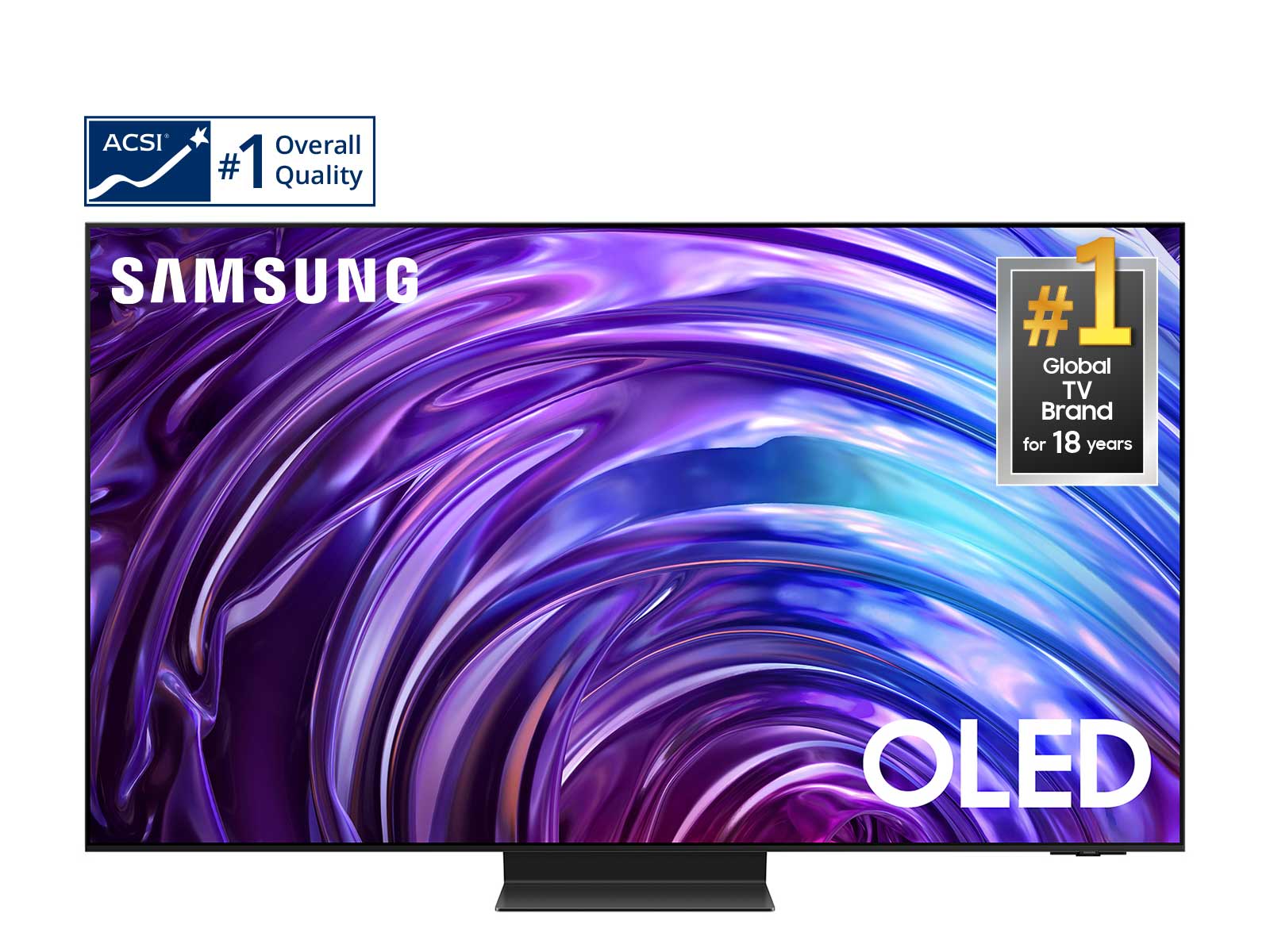
When shopping for a gaming TV in 2026, understanding key specs ensures smooth, responsive gameplay whether you're connecting a high-end gaming PC or next-gen console. These features directly impact motion clarity, input responsiveness, and immersive visuals. Below, we'll break down the essentials with real-world examples from 2025 models like the LG C4 OLED, Samsung S95D QD-OLED, and Sony Bravia 9 Mini-LED.
### Resolution
Resolution determines pixel count and sharpness. **4K (3840x2160 pixels)** is the minimum for gaming-it's sharp enough for 55-85 inch screens at typical viewing distances (6-10 feet) and matches most PC/consoles' output. **8K (7680x4320)** doubles that but is overkill unless you have a massive 100+ inch TV or sit extremely close; content is scarce, and upscaling handles 4K fine on modern TVs. Example: The LG C4 OLED excels at 4K gaming with pixel-perfect clarity for titles like Cyberpunk 2077.
### HDR
**HDR (High Dynamic Range)** boosts contrast, color, and brightness for lifelike visuals. Key formats:
- **HDR10**: Open standard, static metadata-widely supported.
- **Dolby Vision**: Dynamic metadata adjusts scene-by-scene; best for movies/games (e.g., Xbox Series X).
- **HDR10+**: Samsung's dynamic alternative to Dolby Vision.
- **HLG**: For broadcast/live sports.
Prioritize Dolby Vision + HDR10 for versatility. The Samsung S95D supports all, delivering vibrant explosions in Call of Duty.
### Refresh Rate
Measured in Hz (frames per second), **120Hz native** is essential for gaming-double 60Hz for smoother motion in fast-paced games like Fortnite. Higher (144Hz) benefits PC gamers with high-frame-rate outputs. Look for motion interpolation to reduce blur. The Sony Bravia 9 hits 120Hz with excellent handling, minimizing judder in racing sims.
### HDMI 2.1
**HDMI 2.1** ports (at least 2-4) provide 48Gbps bandwidth for 4K@120Hz. Key features:
- **VRR (Variable Refresh Rate)**: Syncs TV refresh to game frame rate, eliminating tearing/stutter.
- **ALLM (Auto Low Latency Mode)**: Auto-switches to game mode for <10ms lag.
- **eARC**: Lossless audio passthrough for soundbars.
Essential for PS5/PC; the LG C4 has four full-bandwidth HDMI 2.1 ports.
### Brightness
**Peak brightness** in nits (candela/m2) measures HDR punch. Aim for **1000+ nits** in bright rooms to combat glare-HDR looks washed out below 600 nits. The Sony Bravia 9 peaks at 4000 nits, ideal for sunny gaming setups.
### Contrast Ratio
**Contrast** is black level vs. white brightness. **Infinite** on OLED (perfect blacks, no blooming). **High** (100,000:1+) on Mini-LED via **local dimming zones** (thousands block light precisely). OLED wins for dark-room gaming; Mini-LED for bright rooms. Samsung S95D QD-OLED offers infinite contrast with anti-burn-in tech.
### Panel Type
- **OLED**: Self-emissive pixels for perfect blacks/colors; risk of burn-in (mitigated in 2025 models).
- **QLED**: LCD + quantum dots for brightness/color; good but lower contrast.
- **Mini-LED**: Backlit LCD with tiny LEDs for superior dimming/brightness.
LG C4 OLED is gamer-favorite for response; Bravia 9 Mini-LED for versatility.
### Response Time
**Response time** (<5ms pixel transition) reduces ghosting/blur in motion-heavy games. OLEDs hit 0.1ms; Mini-LED ~2-4ms. Crucial for competitive play-test with UFO Blur Busters.
Focus on TVs with input lag <10ms at 120Hz (e.g., LG C4: 9.1ms). These specs future-proof your 2026 gaming PC setup for buttery-smooth 4K/120fps experiences. (Word count: 478)