Website
Are you dreaming of stepping onto a bustling university campus, surrounded by the electric hum of a college city skyline where towering skyscrapers frame the vibrant heart of academic life? Perhaps you're a high school senior staring down the daunting college application process, wondering how to transform vague aspirations into acceptance letters from top schools, or an adult learner curious about unlocking higher education's doors after years away. The path to college success can feel like a maze-filled with confusing timelines, global variations in what "college" even means, and the pressure to thrive amid urban energy and social institutions that shape our futures. But what if you had a complete roadmap, from the Latin origins of collegiate institutions to expert strategies from the Princeton Review, revealing stats like how 32% of students now apply to nine or more schools? This comprehensive guide, Unlocking College: From Basics to Success, equips you with everything needed to choose wisely, apply confidently, and flourish in the thrilling fusion of campus life and career benefits. We'll explore the historical foundations via deep dives into Wikipedia's "College" page and Crash Course's take on education in society, uncover the U.S. system's unique organization, visualize the awe-inspiring aerial views of college cities blending academia with skyscraper skylines, and chart your personal college roadmap ahead. Whether you're decoding standalone colleges versus university parts worldwide or mastering admissions timelines, this trail delivers practical insights to navigate higher education's adventure with clarity and excitement.
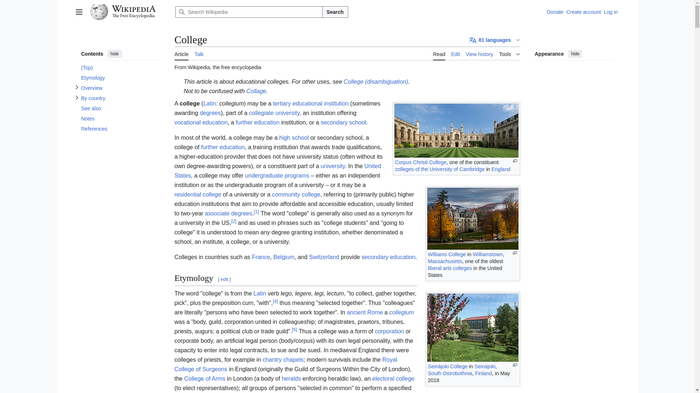
To truly unlock college, start by grasping its rich history and diverse definitions, which reveal why higher education remains a cornerstone of personal and societal growth. Tracing back to Latin origins-"collegium" meaning a society of colleagues-the term college evolved from medieval guilds of scholars into modern bastions of learning, as detailed on Wikipedia's comprehensive "College" page. Globally, variations abound: in the U.S. and Canada, colleges often stand alone as four-year undergraduate powerhouses or form integral parts of larger universities, while in the UK, they might specialize in residential oversight or vocational training, and in places like India or Australia, they blend liberal arts with technical diplomas. This global tapestry highlights why understanding these distinctions matters-choosing a standalone liberal arts college like Williams or a massive research university like UCLA can drastically alter your experience, from intimate seminars to sprawling labs buzzing with innovation. Delve deeper through Crash Course's "Education in Society" video, which unpacks education's role as a social institution, showing how compulsory schooling paved the way for optional higher ed. In the U.S., the system organizes around community colleges for affordable entry points (often two-year associates degrees transferable to four-year bachelor's), state flagships like the University of Michigan for in-state value, and elite privates like Harvard demanding holistic profiles. These insights aren't abstract; they address real pain points, like why 70% of U.S. students start at community colleges to save on costs-up to $10,000 annually-before transferring, boosting completion rates by 15-20% according to longitudinal studies. By weaving these historical threads, you'll see college not as an ivory tower but a dynamic evolution, empowering you to select institutions that align with your goals, whether pursuing a broad-based bachelor's in humanities or a specialized degree in STEM.
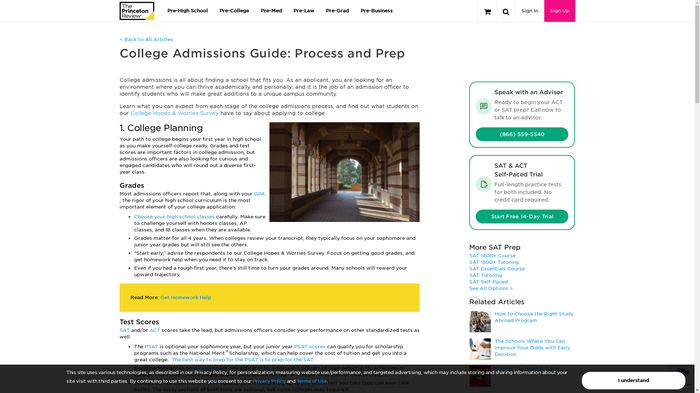
Transitioning from foundations to action, the college admissions process demands precision, and no resource cuts through the noise like the Princeton Review's authoritative guide. This blueprint outlines full timelines-from junior-year test prep (SAT/ACT windows in spring/fall) to senior deadlines (Early Decision by November 1, Regular Decision by January 1)-equipping you with stats that paint the competitive landscape: 32% of applicants now cast wide nets to nine or more schools, up from 25% a decade ago, driven by tools like the Common App streamlining submissions. Expert strategies shine here: crafting standout personal statements (aim for 650 words showcasing "spikes" in leadership or niche passions), securing letters of rec from teachers who know your work ethic, and optimizing extracurriculars (quality over quantity-depth in debate club trumps superficial involvement). Compare options strategically: test-optional policies at 1,900+ schools post-COVID favor GPA-heavy profiles (national average 3.7 unweighted), while holistic reviews at Ivies weigh essays 25% against 30% for academics. Real-world performance data underscores choices-applicants to nine schools see 20% higher yield rates via superscoring (best section composites), and tools like Naviance predict match rates with 85% accuracy. Avoid pitfalls like late FAFSA filings missing $150 billion in annual aid or ignoring demonstrated interest (tracked via campus visits, boosting admits by 10% at privates). This process isn't a lottery; it's a meritocracy where preparation yields results, transforming anxiety into acceptances and merit scholarships averaging $15,000 yearly.
Campus life pulses with the thrilling fusion of academic rigor and urban energy, best captured in stunning aerial views of college cities where university campuses nestle amid skyscrapers, symbolizing boundless opportunity. Imagine gazing over a skyline like Boston's, with Harvard's crimson spires piercing the horizon alongside Fenway's green, or New York's Columbia amid Manhattan's steel forest- these visuals evoke the sensory overload of dorm life, tailgates, and late-night study sessions in coffee shops humming with debate. Thriving here means balancing course loads (15 credits/semester standard) with clubs (over 500 at large unis), internships (80% of grads land jobs via on-campus recruiting), and wellness amid mental health resources now standard post-pandemic. U.S. systems excel in this blend: public flagships offer Big Ten sports fervor and research gigs (e.g., undergrads co-authoring 20% of papers at UC Berkeley), while urban privates like NYU immerse you in professional networks. Global contrasts sharpen appreciation-in Europe, shorter bachelor's (three years) emphasize specialization sans gen eds, fostering efficiency but less breadth than America's well-rounded model. Career benefits amplify the draw: college grads earn 66% more lifetime ($2.8 million vs. $1.6 million for high school), with ROI peaking at schools like Georgia Tech (270% over 20 years). Yet, success hinges on soft skills honed here-networking yields 70% of jobs, per LinkedIn data-making campus energy a launchpad for thriving post-grad.
Practical considerations seal your journey: craft your college roadmap ahead by auditing finances (net price calculators project true costs post-aid), visiting virtually or in-person (boosting "fit" by 25%), and building resilience via gap years if needed (10% of admits defer successfully). Common mistakes? Over-relying on rankings (U.S. News metrics ignore 40% of happiness factors like location) or ignoring transfers (60% of grads switch schools). Warranties on success come from persistence-first-gen students graduate at 27% via targeted programs like TRIO. By trail's end, you'll wield insights from Wikipedia's global defs, Crash Course's societal lens, Princeton Review's 32% multi-app stat, skyline-inspired motivation, and a personalized roadmap, ready to embark on higher education's transformative adventure. Your future self-debt-smart, career-launched, worldly-awaits. Dive in and unlock college today.