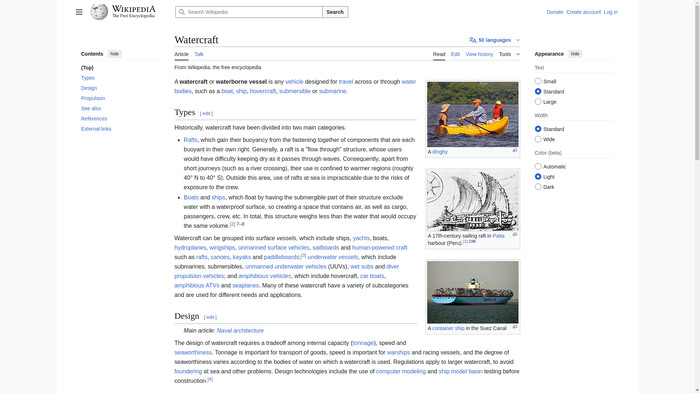
Imagine setting sail on a humble reed raft across ancient Nile waters, then fast-forwarding to commanding a sleek modern superyacht slicing through ocean waves at 50 knots. The story of boats is humanity's epic odyssey-a tale of ingenuity that propelled exploration, trade, and warfare across millennia. From prehistoric rafts and Predynastic reed boats to steamships igniting the Industrial Revolution and today's hovercrafts, submersibles, and megastructures, this Sailing Through Time: Boat History Epic trail unlocks the evolution of watercraft. Whether you're a history buff decoding ancient Egyptian naval innovations, a maritime enthusiast tracing wooden hulls to high-tech vessels, or simply curious about how simple designs revolutionized global connectivity, this guide delivers a captivating journey through boat histories, innovations, and cultural impacts. Discover hidden gems like the stone sandal carving linked to prehistoric boat builders and rugged mooring posts by alpine lakes, all woven into a seamless narrative of maritime mastery.
Ancient Origins: From Rafts to Reed Boats
The dawn of boating begins with rudimentary watercraft-log rafts and dugouts crafted by early humans for survival. These evolved into the sophisticated ancient Egyptian ships, where Predynastic reed boats marked a quantum leap around 4000 BCE. Papyrus reeds bundled into lightweight hulls enabled trade along the Nile, ferrying grain, gold, and gods. Innovations like mortise-and-tenon joints and cedar planking from Lebanon propelled vessels for exploration and war, reaching lengths of 30 meters with crews of 100. Compare this to prehistoric enigmas: the stone sandal carving, an etched relic tying nomadic builders to their first rugged voyages. These early designs prioritized buoyancy and stability, with reed boats offering 20-30 knot speeds in calm waters-far superior to dragging logs. Such breakthroughs laid the foundation for Mediterranean galleys, influencing Phoenician and Greek triremes that dominated battles with oar-powered propulsion at 9 knots. This era's legacy? Boats as extensions of human ambition, bridging rivers to empires.
Medieval to Industrial Evolution: Hulls, Steam, and Steel
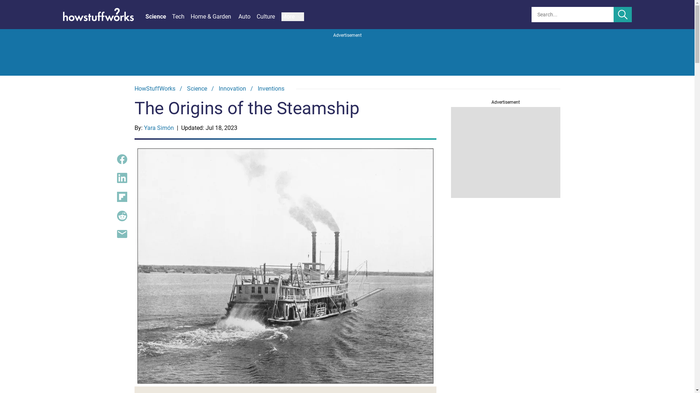
Fast-forward to wooden eras, where ancient wooden hulls dominated-clinker-built Viking longships with overlapping planks enduring North Atlantic storms at 15 knots, versus carvel hulls of Age of Sail frigates like HMS Victory, displacing 2,162 tons with 104 guns. Engineering pivoted dramatically with steamship origins in the 19th century. Robert Fulton's Clermont (1807) introduced paddlewheels and reciprocating engines at 1.7 mph, evolving to screw propellers and compound engines by 1850s Cunarders like Britannia, crossing the Atlantic in 14 days at 8.5 knots. The Industrial Revolution amplified this: iron hulls resisted rot, while navigation aids like chronometers slashed longitude errors from miles to seconds. Safety innovations-watertight compartments post-Titanic-paired with triple-expansion engines yielding 20+ knots. Amidst this, rugged outliers emerged: wooden posts as mooring spots on snowy mountain peaks and alpine lakes, echoing high-altitude boating heritage. These shifts transformed warfare (ironclads at 10 knots with rifled guns) and trade, shrinking the world.
Modern Marvels: Submersibles, Hovercrafts, and Beyond
Today's boats and ships are megastructures of composite materials, gas turbines, and AI. Hovercrafts skirt waves on air cushions at 60 knots, ideal for Arctic ops; submersibles like Alvin dive 6,000 meters for ocean research. Compare LNG carriers (1,650m long, 266,000 m3 capacity) to superyachts like Icon (97m, 20 knots, hybrid electric). Engineering breakthroughs-hydrofoils lifting hulls for 50-knot efficiency, or drone-integrated catamarans-echo ancient roots while slashing fuel use by 30%. Reflect on the boat legacy: from reed fragility to nuclear-powered behemoths like USS Enterprise (35 knots, unlimited range).
Embark on this trail to master maritime history-decode innovations that connected continents, avoid myths like "Vikings only rowed," and appreciate why hull design still dictates 90% of stability. You'll gain insights for model-building, sailing, or trivia dominance, with sources from Wikipedia watercraft pages to cinematic evolutions. No prior knowledge needed; just curiosity for the waves that shaped our world. (712 words)