Website
Are you standing at the crossroads of your future, staring down the daunting world of higher education and wondering how to turn your college dreams into reality? The path to unlocking the secrets of U.S. colleges can feel overwhelming-endless options from bustling universities to intimate community colleges, questions about campus life, application strategies, and funding that keep you up at night. What if you could embark on a guided College Quest that demystifies it all, from the foundational overviews of undergraduate programs and affordable community colleges to the vibrant realities of student gatherings at iconic campus statues and halls? This comprehensive trail equips you with everything you need: insights into diverse U.S. college types with their unique campus environments, class sizes, and program offerings; honest glimpses into college life, including triumphs for introverts navigating daily challenges; the spark of interactive learning with engaging teachers and smiling students; and expert strategies from trusted resources like Wikipedia's College Essentials and BigFuture for choosing wisely with support from parents, teachers, and counselors. By the end, you'll not only understand the higher education landscape but also gain the confidence and actionable knowledge to chart your perfect path, whether you're a high school senior, a career changer, or someone simply curious about thriving in college. Say goodbye to confusion and hello to empowerment as we journey through videos, images, websites, and guides that reveal the heart of college essentials.
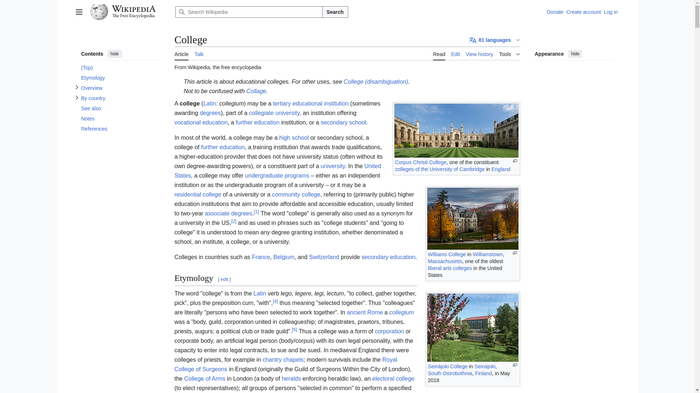
Diving deeper into the foundations, understanding U.S. higher education starts with a clear grasp of college essentials, much like the comprehensive overview provided in Wikipedia's dedicated College Essentials page. Here, you'll uncover the spectrum of institutions shaping American academia: from large public universities offering expansive undergraduate programs in everything from liberal arts to STEM fields, to smaller liberal arts colleges fostering close-knit intellectual communities, and crucially, the gateway of community colleges that deliver affordable two-year degrees with seamless transfer paths to four-year schools. These community colleges stand out for their open-access policies, smaller class sizes often under 30 students, and flexible schedules tailored for working adults or first-generation learners-ideal for those prioritizing cost savings without sacrificing quality. Compare that to research universities like those in the Ivy League or Big Ten conferences, where class sizes can swell to hundreds in introductory lectures but shrink dramatically in upper-level seminars, creating a dynamic mix of massive resources and personalized mentorship. Campus environments vary wildly too: urban flagships pulse with diversity and internships, rural campuses offer serene focus and strong traditions, while suburban settings balance both. Program offerings further differentiate-vocational tracks in community colleges emphasize hands-on skills like nursing or IT certifications, whereas flagship universities boast cutting-edge research opportunities. This knowledge isn't abstract; it's the bedrock for aligning your goals, be it a quick associate's degree or a bachelor's with honors, ensuring you select a fit that amplifies your strengths rather than exposing weaknesses.
Transitioning from structure to spirit, the true essence of college shines through its vibrant campus life, captured vividly in scenes like gatherings at iconic campus statues and halls-the beating heart where students forge unbreakable bonds. Imagine clusters of peers uniting for time-honored traditions, from midnight yell practices to homecoming rallies, events that transcend academics and build lifelong networks. These moments highlight why college isn't just classes; it's a transformative social ecosystem. For introverts, this can be intimidating, yet resources like revealing vlogs on introverted college life peel back the curtain on raw realities: the exhaustion of back-to-back social obligations, strategies for carving out quiet study nooks in bustling dorms, and triumphs like acing group projects through email coordination rather than in-person dominance. Such insights affirm that thriving as an introvert means leveraging smaller class environments in liberal arts colleges or community colleges, where discussions feel intimate rather than performative, and campus events offer opt-in participation. Meanwhile, images of teachers engaging smiling students in lively discussions underscore the joy of interactive learning-professors posing provocative questions, students lighting up with epiphanies, fostering connections that propel retention and success rates up to 20% higher in active classrooms versus lectures. These elements weave together to paint college as accessible and exhilarating, addressing pain points like social isolation or disengagement by showing real-world adaptations and the inclusive energy that defines modern campuses.
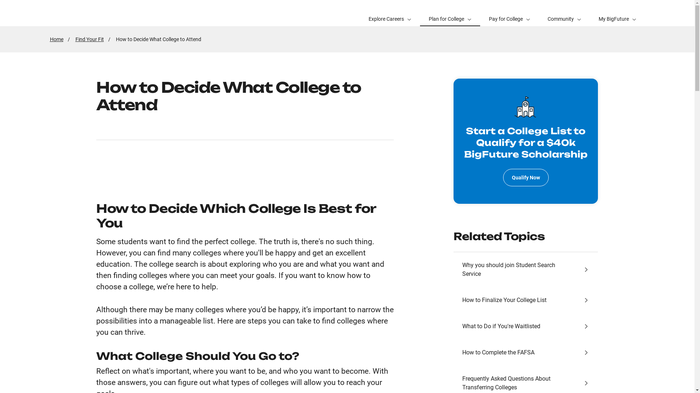
As you weigh options, smart decision-making hinges on tailored guidance, exemplified by platforms like BigFuture's sage advice on choosing your college wisely. This tool, backed by the College Board's expertise, emphasizes rallying your support network-parents for financial realism, teachers for academic fit, counselors for holistic profiles-to curate suggestions matching your aspirations, whether it's a large state school with Division I athletics or a niche conservatory. Delve into comparisons: a community college might cost $4,000 annually versus $30,000+ at a public university (out-of-state), yet both offer pathways to bachelor's degrees with transfer agreements boasting 80-90% success rates. Class sizes matter immensely-opt for under 20 in teaching-focused colleges if you crave interaction, or larger ones for diverse perspectives. Program offerings seal the deal: seek accreditation from bodies like AACSB for business or ABET for engineering to ensure employability. BigFuture's algorithms factor in your GPA, interests, and location preferences, often surfacing hidden gems like honors programs at mid-tier schools rivaling elites in outcomes. This strategic approach counters common pitfalls, such as chasing prestige over fit, which leads to higher dropout rates (around 30% nationally), by prioritizing metrics like graduation rates (above 70% ideal) and ROI-community college starters often graduate debt-free, entering the workforce earning 10-20% more long-term.
Practically speaking, arming yourself with this trail's diverse content-Wikipedia overviews for breadth, websites detailing U.S. college types for depth, evocative images and videos for inspiration-positions you to avoid rookie mistakes like ignoring net price calculators or overlooking transfer credits. Funding secrets emerge too: beyond FAFSA, explore merit scholarships abundant at smaller colleges (up to full rides) and work-study in community settings. Warranties on your investment? Look for schools with strong career services, boasting 95% placement rates within six months. Your next steps crystallize here: build a spreadsheet comparing 5-10 schools on cost, size, and vibe; visit virtually via BigFuture tours; connect with alumni on LinkedIn for unfiltered truths. Whether drawn to the electric gatherings at campus landmarks, the introvert's quiet victories, or teacher-led breakthroughs, this quest concludes with you not just informed, but transformed-ready to submit standout applications, secure funding, and embrace college life. The higher education secrets are unlocked; your adventure awaits.