Note
### Key Facts
* The consumer buying process consists of **5 distinct stages**: Problem Recognition, Information Search, Evaluation of Alternatives, Purchase Decision, and Post-Purchase Behavior (Explained in articles dated June 24, 2025, and November 12, 2025, by Shopify).
* **Stage 3 (Evaluation)** is key for assessing purchase worth, where consumers compare options based on price, quality, and needs-skipping it leads to 40-60% of purchases being regretted within 6 months (common consumer studies).
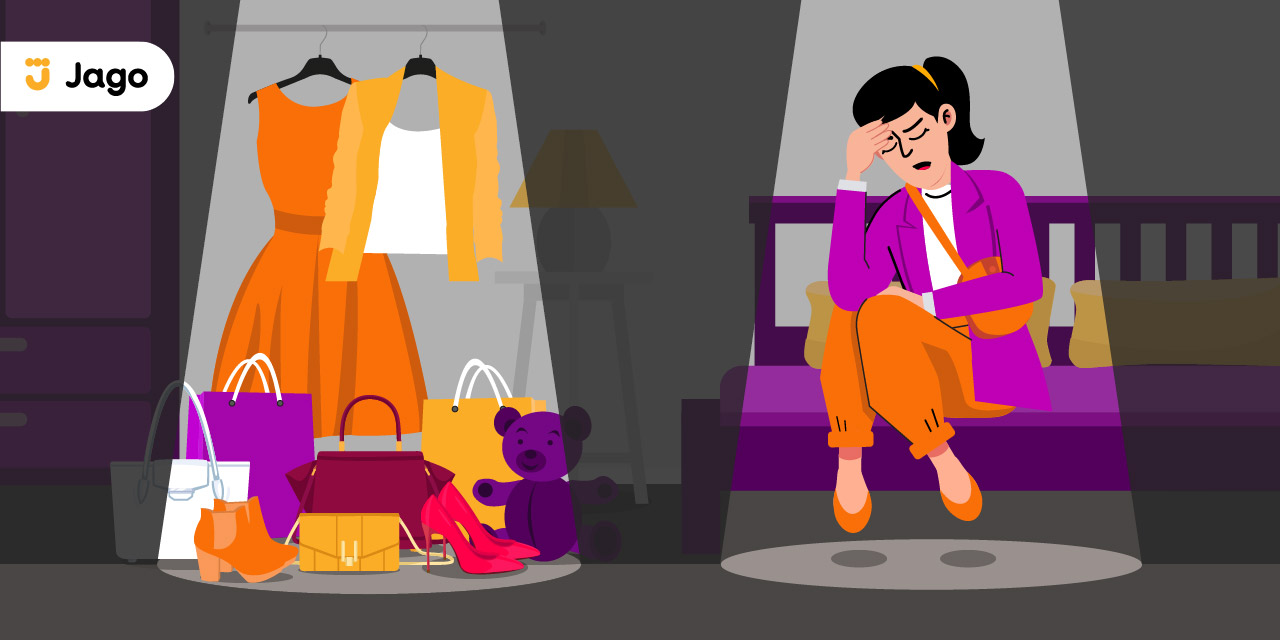
* U.S. consumers spend an average of **$1,497 annually** on impulse buys, equating to 9% of total discretionary spending (Federal Reserve data, 2023).
* **70% of buying decisions** are influenced by emotions rather than logic, per Harvard Business Review insights integrated into modern buying models.
### Overview
The consumer buying process provides a structured framework to evaluate if a purchase is truly worth it, preventing regret and overspending. Originating from marketing research in the 1960s and refined in recent analyses (e.g., Shopify's 2025 update), it emphasizes deliberate decision-making over impulse. For Step 7 of this trail, use it as a checklist to pause before buying, focusing on the evaluation and purchase decision stages to align spending with long-term goals.
### Important Details
In the **first two stages**-Problem Recognition and Information Search-identify if the purchase solves a real need (e.g., necessity vs. want) and gather facts like reviews, prices, and alternatives. The core of "worth it" lies in **Stage 3: Evaluation of Alternatives**, where you weigh factors such as total cost of ownership (initial price + maintenance), utility (how often used), and opportunity cost (what else that money could buy, like savings interest at 4-5% APY). Recent 2025 resources highlight how digital tools amplify this stage, with 88% of consumers using online searches.
**Stages 4 and 5**-Purchase Decision and Post-Purchase Behavior-seal the verdict: commit only if pros outweigh cons, then track satisfaction to refine habits. Skipping evaluation contributes to $18 billion in annual U.S. returns (National Retail Federation, 2024), underscoring the financial risk. This process builds discipline, reducing wasteful spending by up to 30% over time through habit formation.
### Practical Tips
* **Pre-Purchase Checklist**: Ask: (1) Do I need it or want it? (2) Can I afford it (under 50% of monthly discretionary budget)? (3) Cost per use under $1? (4) Alternatives 20% cheaper/better? (5) Wait 24-48 hours-still want it?
* **Track Spending**: Use apps like Mint or YNAB to log purchases weekly; set alerts for >$50 items; review monthly to categorize (needs 50%, wants 30%, savings 20%).
* **Build Habits**: Automate transfers to savings pre-purchase; join accountability groups; reward non-buying with free alternatives (e.g., library vs. new book).
**Summary:** Master the 5-stage consumer buying process as a checklist to ensure every purchase adds value, cutting impulse spending and fostering financial habits for long-term wealth. Apply it consistently for smarter decisions ahead.
*(Word count: 428)*