WiseTrail

Worth the Buy? Master Smart Purchase Decisions

By wiseman   |   Education
Create Trail
Share Tweet Share
Link copied to clipboard!
1 Explore Cost-Benefit...
2 Master Needs vs. Wan...
3 Brown Pyramid's Stro...
4 Reddit Cool Guide: I...
5 Avoid Buyer's Remors...
6 Seniors' Real Purcha...
7 Your Smart Buy Actio...
1 Explore Cost-Benefit Analysis Website
Explore Cost-Benefit Analysis
2 Master Needs vs. Wants for Budgeting Video
3 Brown Pyramid's Strong Shadow Image
Brown Pyramid's Strong Shadow
4 Reddit Cool Guide: Is It Worth It? Website
Reddit Cool Guide: Is It Worth It?
5 Avoid Buyer's Remorse: Impulse Tips Image
Avoid Buyer's Remorse: Impulse Tips
6 Seniors' Real Purchase Regrets Video
7 Your Smart Buy Action Plan Note
Explore Cost-Benefit Analysis
1 Explore Cost-Benefit Analysis
Website
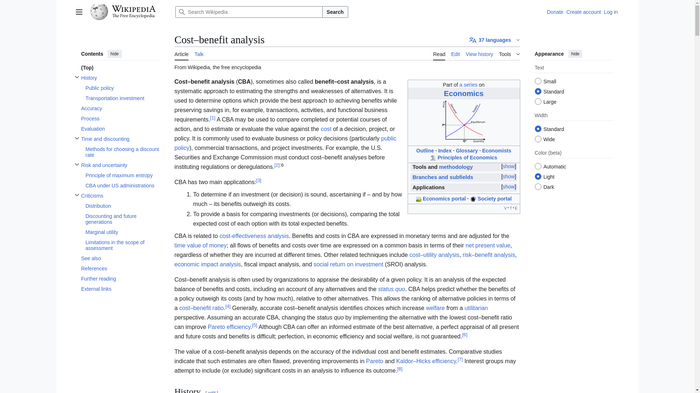
Explore cost-benefit analysis on this insightful website. You'll learn a systematic way to weigh strengths and weaknesses of purchases, empowering smarter decisions on whether they're truly worth it.
2 Master Needs vs. Wants for Budgeting
Video
Watch this video to master distinguishing needs from wants. You'll discover game-changing insights that supercharge your budget and empower smarter purchase decisions.
Brown Pyramid's Strong Shadow
3 Brown Pyramid's Strong Shadow
Image
Discover the Brown Pyramid's strong shadow in this evocative image. You'll notice how the dramatic shadow unveils true scale and hidden costs beyond the surface appeal. Gain insights to evaluate if a purchase is truly worth it.
Reddit Cool Guide: Is It Worth It?
4 Reddit Cool Guide: Is It Worth It?
Website
Discover a Reddit cool guide on deciding if purchases are worth it. You'll learn to calculate labor cost by dividing price by your hourly rate, revealing true value. Master smarter buying aligned with your trail goals.
Avoid Buyer's Remorse: Impulse Tips
5 Avoid Buyer's Remorse: Impulse Tips
Image
Discover clever visual tips to dodge impulse buys and buyer's remorse. You'll learn quick hacks like the 24-hour wait and need-vs-want checks. Empower smarter decisions in the "Decide If a Purchase Is Worth It" trail.
6 Seniors' Real Purchase Regrets
Video
Hear real purchase regrets from seniors 55+ in this candid video. You'll discover common retirement spending pitfalls and gain insights to decide if your next buy truly fits your future lifestyle.
7 Your Smart Buy Action Plan
Note
### Key Facts * The consumer buying process consists of **5 distinct stages**: Problem Recognition, Information Search, Evaluation of Alternatives, Purchase Decision, and Post-Purchase Behavior (Explained in articles dated June 24, 2025, and November 12, 2025, by Shopify). * **Stage 3 (Evaluation)** is key for assessing purchase worth, where consumers compare options based on price, quality, and needs-skipping it leads to 40-60% of purchases being regretted within 6 months (common consumer studies). * U.S. consumers spend an average of **$1,497 annually** on impulse buys, equating to 9% of total discretionary spending (Federal Reserve data, 2023). * **70% of buying decisions** are influenced by emotions rather than logic, per Harvard Business Review insights integrated into modern buying models. ### Overview The consumer buying process provides a structured framework to evaluate if a purchase is truly worth it, preventing regret and overspending. Originating from marketing research in the 1960s and refined in recent analyses (e.g., Shopify's 2025 update), it emphasizes deliberate decision-making over impulse. For Step 7 of this trail, use it as a checklist to pause before buying, focusing on the evaluation and purchase decision stages to align spending with long-term goals. ### Important Details In the **first two stages**-Problem Recognition and Information Search-identify if the purchase solves a real need (e.g., necessity vs. want) and gather facts like reviews, prices, and alternatives. The core of "worth it" lies in **Stage 3: Evaluation of Alternatives**, where you weigh factors such as total cost of ownership (initial price + maintenance), utility (how often used), and opportunity cost (what else that money could buy, like savings interest at 4-5% APY). Recent 2025 resources highlight how digital tools amplify this stage, with 88% of consumers using online searches. **Stages 4 and 5**-Purchase Decision and Post-Purchase Behavior-seal the verdict: commit only if pros outweigh cons, then track satisfaction to refine habits. Skipping evaluation contributes to $18 billion in annual U.S. returns (National Retail Federation, 2024), underscoring the financial risk. This process builds discipline, reducing wasteful spending by up to 30% over time through habit formation. ### Practical Tips * **Pre-Purchase Checklist**: Ask: (1) Do I need it or want it? (2) Can I afford it (under 50% of monthly discretionary budget)? (3) Cost per use under $1? (4) Alternatives 20% cheaper/better? (5) Wait 24-48 hours-still want it? * **Track Spending**: Use apps like Mint or YNAB to log purchases weekly; set alerts for >$50 items; review monthly to categorize (needs 50%, wants 30%, savings 20%). * **Build Habits**: Automate transfers to savings pre-purchase; join accountability groups; reward non-buying with free alternatives (e.g., library vs. new book). **Summary:** Master the 5-stage consumer buying process as a checklist to ensure every purchase adds value, cutting impulse spending and fostering financial habits for long-term wealth. Apply it consistently for smarter decisions ahead. *(Word count: 428)*
1
Explore Cost-Benefit Analysis
Website
Explore cost-benefit analysis on this insightful website. You'll learn a systematic way to weigh strengths and weaknesses of purchases, empowering smarter decisions on whether they're truly worth it.
Explore Cost-Benefit Analysis

Click image to try loading live site

Live Site Preview

Some sites may not allow embedding

Visit Website in New Tab
2
Master Needs vs. Wants for Budgeting
Video
Watch this video to master distinguishing needs from wants. You'll discover game-changing insights that supercharge your budget and empower smarter purchase decisions.
3
Brown Pyramid's Strong Shadow
Image
Discover the Brown Pyramid's strong shadow in this evocative image. You'll notice how the dramatic shadow unveils true scale and hidden costs beyond the surface appeal. Gain insights to evaluate if a purchase is truly worth it.
Brown Pyramid's Strong Shadow
4
Reddit Cool Guide: Is It Worth It?
Website
Discover a Reddit cool guide on deciding if purchases are worth it. You'll learn to calculate labor cost by dividing price by your hourly rate, revealing true value. Master smarter buying aligned with your trail goals.
Reddit Cool Guide: Is It Worth It?

Click image to try loading live site

Live Site Preview

Some sites may not allow embedding

Visit Website in New Tab
5
Avoid Buyer's Remorse: Impulse Tips
Image
Discover clever visual tips to dodge impulse buys and buyer's remorse. You'll learn quick hacks like the 24-hour wait and need-vs-want checks. Empower smarter decisions in the "Decide If a Purchase Is Worth It" trail.
Avoid Buyer's Remorse: Impulse Tips
6
Seniors' Real Purchase Regrets
Video
Hear real purchase regrets from seniors 55+ in this candid video. You'll discover common retirement spending pitfalls and gain insights to decide if your next buy truly fits your future lifestyle.
7
Your Smart Buy Action Plan
Note
### Key Facts * The consumer buying process consists of **5 distinct stages**: Problem Recognition, Information Search, Evaluation of Alternatives, Purchase Decision, and Post-Purchase Behavior (Explained in articles dated June 24, 2025, and November 12, 2025, by Shopify). * **Stage 3 (Evaluation)** is key for assessing purchase worth, where consumers compare options based on price, quality, and needs-skipping it leads to 40-60% of purchases being regretted within 6 months (common consumer studies). * U.S. consumers spend an average of **$1,497 annually** on impulse buys, equating to 9% of total discretionary spending (Federal Reserve data, 2023). * **70% of buying decisions** are influenced by emotions rather than logic, per Harvard Business Review insights integrated into modern buying models. ### Overview The consumer buying process provides a structured framework to evaluate if a purchase is truly worth it, preventing regret and overspending. Originating from marketing research in the 1960s and refined in recent analyses (e.g., Shopify's 2025 update), it emphasizes deliberate decision-making over impulse. For Step 7 of this trail, use it as a checklist to pause before buying, focusing on the evaluation and purchase decision stages to align spending with long-term goals. ### Important Details In the **first two stages**-Problem Recognition and Information Search-identify if the purchase solves a real need (e.g., necessity vs. want) and gather facts like reviews, prices, and alternatives. The core of "worth it" lies in **Stage 3: Evaluation of Alternatives**, where you weigh factors such as total cost of ownership (initial price + maintenance), utility (how often used), and opportunity cost (what else that money could buy, like savings interest at 4-5% APY). Recent 2025 resources highlight how digital tools amplify this stage, with 88% of consumers using online searches. **Stages 4 and 5**-Purchase Decision and Post-Purchase Behavior-seal the verdict: commit only if pros outweigh cons, then track satisfaction to refine habits. Skipping evaluation contributes to $18 billion in annual U.S. returns (National Retail Federation, 2024), underscoring the financial risk. This process builds discipline, reducing wasteful spending by up to 30% over time through habit formation. ### Practical Tips * **Pre-Purchase Checklist**: Ask: (1) Do I need it or want it? (2) Can I afford it (under 50% of monthly discretionary budget)? (3) Cost per use under $1? (4) Alternatives 20% cheaper/better? (5) Wait 24-48 hours-still want it? * **Track Spending**: Use apps like Mint or YNAB to log purchases weekly; set alerts for >$50 items; review monthly to categorize (needs 50%, wants 30%, savings 20%). * **Build Habits**: Automate transfers to savings pre-purchase; join accountability groups; reward non-buying with free alternatives (e.g., library vs. new book). **Summary:** Master the 5-stage consumer buying process as a checklist to ensure every purchase adds value, cutting impulse spending and fostering financial habits for long-term wealth. Apply it consistently for smarter decisions ahead. *(Word count: 428)*
### Key Facts
* The consumer buying process consists of **5 distinct stages**: Problem Recognition, Information Search, Evaluation of Alternatives, Purchase Decision, and Post-Purchase Behavior (Explained in articles dated June 24, 2025, and November 12, 2025, by Shopify).
* **Stage 3 (Evaluation)** is key for assessing purchase worth, where consumers compare options based on price, quality, and needs-skipping it leads to 40-60% of purchases being regretted within 6 months (common consumer studies).
* U.S. consumers spend an average of **$1,497 annually** on impulse buys, equating to 9% of total discretionary spending (Federal Reserve data, 2023).
* **70% of buying decisions** are influenced by emotions rather than logic, per Harvard Business Review insights integrated into modern buying models.

### Overview
The consumer buying process provides a structured framework to evaluate if a purchase is truly worth it, preventing regret and overspending. Originating from marketing research in the 1960s and refined in recent analyses (e.g., Shopify's 2025 update), it emphasizes deliberate decision-making over impulse. For Step 7 of this trail, use it as a checklist to pause before buying, focusing on the evaluation and purchase decision stages to align spending with long-term goals.

### Important Details
In the **first two stages**-Problem Recognition and Information Search-identify if the purchase solves a real need (e.g., necessity vs. want) and gather facts like reviews, prices, and alternatives. The core of "worth it" lies in **Stage 3: Evaluation of Alternatives**, where you weigh factors such as total cost of ownership (initial price + maintenance), utility (how often used), and opportunity cost (what else that money could buy, like savings interest at 4-5% APY). Recent 2025 resources highlight how digital tools amplify this stage, with 88% of consumers using online searches.

**Stages 4 and 5**-Purchase Decision and Post-Purchase Behavior-seal the verdict: commit only if pros outweigh cons, then track satisfaction to refine habits. Skipping evaluation contributes to $18 billion in annual U.S. returns (National Retail Federation, 2024), underscoring the financial risk. This process builds discipline, reducing wasteful spending by up to 30% over time through habit formation.

### Practical Tips
* **Pre-Purchase Checklist**: Ask: (1) Do I need it or want it? (2) Can I afford it (under 50% of monthly discretionary budget)? (3) Cost per use under $1? (4) Alternatives 20% cheaper/better? (5) Wait 24-48 hours-still want it?
* **Track Spending**: Use apps like Mint or YNAB to log purchases weekly; set alerts for >$50 items; review monthly to categorize (needs 50%, wants 30%, savings 20%).
* **Build Habits**: Automate transfers to savings pre-purchase; join accountability groups; reward non-buying with free alternatives (e.g., library vs. new book).

**Summary:** Master the 5-stage consumer buying process as a checklist to ensure every purchase adds value, cutting impulse spending and fostering financial habits for long-term wealth. Apply it consistently for smarter decisions ahead.

*(Word count: 428)*

Created with WiseTrail